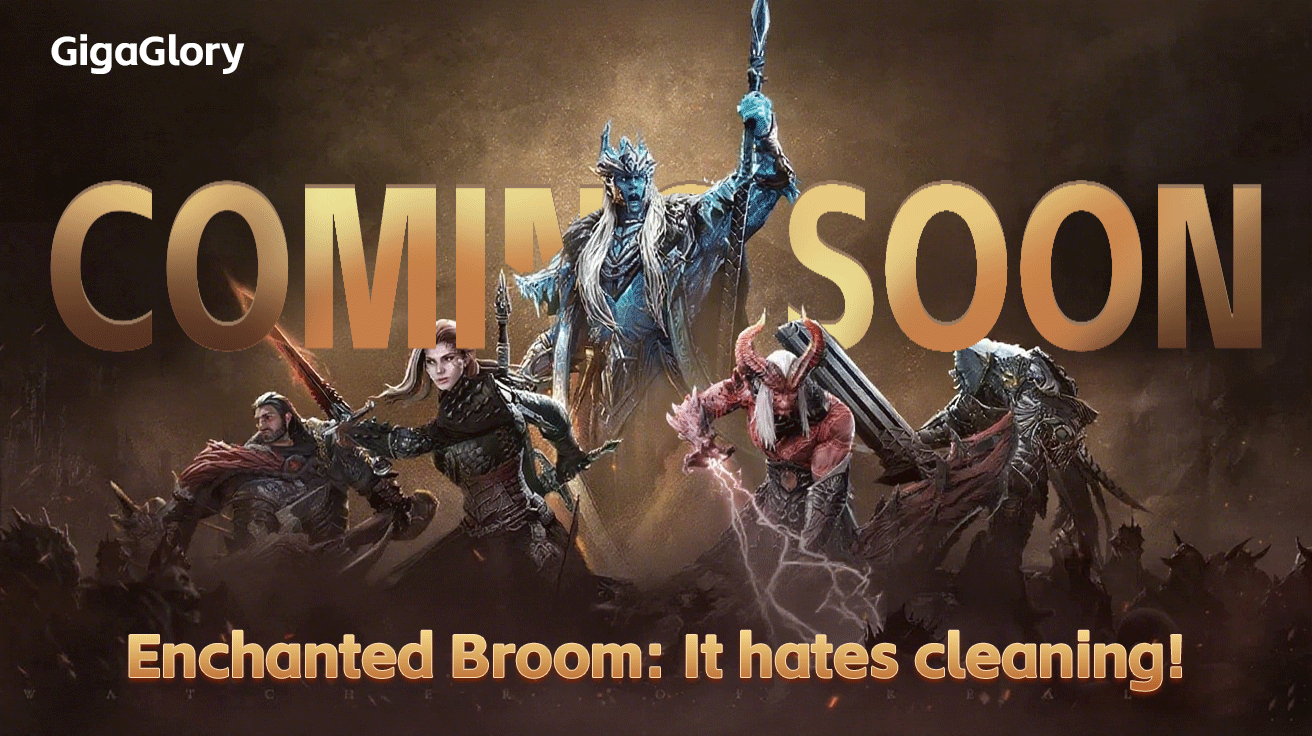
Exploring the Evolution of RPG Games: From Classic Pixels to Immersive Worlds
Welcome to a journey through the fascinating world of Role-Playing Games (RPGs). In this article, we’ll take a deep dive into how RPGs have transformed over the years, reflecting changes in technology, storytelling, and player engagement. Are you ready to explore this pixelated legacy that has evolved into immersive parallel universes? Let’s go!
1. The Birth of RPGs: A Pixelated Beginning
RPGs as we know them began in the 1980s with early **text-based games** like Zork and the iconic Wizardry. These games laid the groundwork for the mechanics and storytelling devices that we now associate with the genre. Players inhabited simple pixelated worlds, embarking on textual adventures rife with choices and consequences - captivating enough to draw gamers into the narrative.
2. Classic RPGs: A Nostalgic Dive
Who can forget the charm of titles like Final Fantasy and The Legend of Zelda? These games introduced intricate worlds filled with rich lore and character development. Players often found themselves grinding away at monsters for experience points, leading to monumental character growth. Let’s review some pivotal ones in the table below:
| Game Title | Release Year | Notable Features |
|---|---|---|
| Final Fantasy | 1987 | Turn-based combat, character classes |
| The Legend of Zelda | 1986 | Open-world exploration, puzzle solving |
| Chrono Trigger | 1995 | Multiple endings, time travel mechanics |
3. The Rise of 3D Graphics and Cyberpunk Fantasies
As technology advanced through the 90s, the **transition to 3D graphics** revolutionized RPGs. Titles like Final Fantasy VII not only showcased lush, vibrant worlds but also profound storytelling paired with cinematic cutscenes, establishing themselves as cultural phenomena. Cyberpunk themes began to emerge, paving a new avenue for dystopian narratives and player immersion.
4. The Online Era: Community and Multiplayer Aspects
With the millennium drawing near, developers saw a golden opportunity to integrate multiplayer functions. Fantasy RPG multiplayer games transformed play into a community experience. Games like World of Warcraft not only pioneered epic raiding experiences but also cultivated friendships formed across continents.
5. The Impact of Mobile and Casual Gaming
Fast forward to the 2000s and beyond, the rise of mobile gaming brought RPG elements to casual players. Titles like Fire Emblem Heroes and Final Fantasy Brave Exvius allowed players to engage in rich storytelling within short play sessions. This accessibility welcomed a new demographic into the fold.
6. Mario and Sonic Olympic Games: A Unique Story Mode
Interestingly, a blend of traditional platforming games like Mario and Sonic has animated characters with RPG aspects, especially in the Mario and Sonic Olympic Games series. However, it is the story mode within these games that often transcends mere competition, pulling players into unique narratives that invite collaboration and a deeper look into character dynamics.
7. Next-Level Immersion: VR and AR RPG Experiences
With the advent of Virtual Reality (VR) and Augmented Reality (AR), developers began pushing boundaries. Imagine striding through a fantasy realm, interacting with intricate environments in ways that make the experience truly YOURS. Titles like Skyrim VR leap to mind, demonstrating that the future of RPGs is not just digital but visceral. How DO we even begin to explore these possibilities?
8. The Game Development Impact: A New Generation of Creators
The evolution of RPGs is significantly stimulated by passionate developers and the community surrounding them. There has been a rise in independent studios that explore niche narratives or experimental mechanics. This diversity often leads to uncharted territories, fueling innovation within mainstream gaming.
9. Storytelling in RPGs: More Than Just Quests
At the heart of RPGs is **storytelling**, which acts as a thread weaving various gameplay components together. Players no longer just complete quests; they dive into emotional journeys, creating bonds with characters that echo their lives. Complex narratives invite players into moral quandaries, challenging their decisions and values.
10. Character Customization: The Player’s Personal Touch
Character customization is another stronghold for many RPGs, allowing players to create avatars that truly reflect their individuality. This personalization creates a more profound connection, almost as if the avatar becomes an extension of oneself. From altering facial features to selecting abilities, this freedom marks one of the most cherished elements of RPGs.
11. The Future: What Lies Ahead for RPGs?
Looking ahead, will RPGs continue to evolve? Absolutely! With advancements in AI and procedural generation, we can expect even more dynamic, living worlds that react to our choices. Moreover, the community-driven aspect seems ripe for expansion, urging developers to keep their ears to the ground, listening to player feedback.
12. Key Takeaways from RPG Evolution
- The foundation of RPGs dates back to simple text adventures.
- Immersive graphics and complex storytelling have dramatically evolved over time.
- Multiplayer options established a strong community aspect.
- Character customization adds a personal touch dimension.
- Future technologies like VR/AR will redefine immersion.
Conclusion: The Unfolding Chapter of RPGs
In exploring the evolution of RPGs, it’s clear that this genre is not just about gameplay; it’s about experiences, narratives, and relationships forged through adventure. Whether you long for nostalgic pixelated quests or strive for the next generation of epic online encounters, RPGs remain a testament to innovation and creativity. So, what adventure will you pursue next? The world of RPGs is vast, and it’s just begging for you to step in!